

How to File a Railroad Lawsuit
Railroad companies operate in a distinct environment that requires different ways of handling claims related to work-related injuries. An experienced FELA attorney can assist in settle a claim in a way that is appealing to both the injured worker and the company.
A new class action lawsuit claims BNSF captured, collected or obtained through trade or otherwise obtained fingerprint biometrics with no informed consent from Illinois residents. This is an infraction of the state's biometric privacy laws.
Negligence
In a railroad lawsuit where an injury to a non-railroad person occurs, negligence is the basis for the lawsuit. Multiple myeloma lawsuit with experience in FELA cases can help build your case by investigating the incident and collecting evidence such as witness testimony and expert medical testimony. Your lawyer can also negotiate for you to get a fair amount in damages. If negotiations fail your case will be heard in court.
The lawsuit claims that the controlled release vinyl chloride has exacerbated air pollution in Youngstown and other communities nearby including one in which a family resides and operates a fishing business. The couple alleges that their children suffer from swollen face, weeping eyes stomach aches, and other signs that are attributed to exposure to chemicals.
Stalling asks permission to file an amended complaint against Defendants, adding additional allegations of negligence. The defendants claim that federal statutes override state law claims of willful or wanton conduct, and that allowing an amendment would increase the burden of a discovery process already demanding for both parties.
Damages
Railroad companies spend lots of money to manage train accidents. They also hire attorneys to represent them. If you've been injured as a result of an accident involving trains it is crucial to speak with an attorney for personal injury who has experience with railroad accidents.
The liability of a railroad company for the hazardous condition of its property is contingent on whether the railroad has complied with its obligation to keep the property secure and in good condition. It should make every effort to enforce its rules and regulations.
If the plaintiff is injured because of the negligence of a railroad, compensation may include past and future medical expenses, lost wages, mental anguish, and pain and suffering. Punitive damages may also be awarded if the conduct was particularly reckless.
For example For instance, a Texas jury recently ordered Union Pacific to pay $557 million to Mary Johnson after she was hit by one of its trains. The damages included future and past suffering and pain and a total of $4 million for future and past medical expenses and $2 million for lost income, and $5.5 million for physical impairment.
FELA
A significant part of FELA is the requirement that railroads provide their employees with safe working conditions. If a worker gets injured on the job the railroad must compensate for the injury. The railroad also has to pay damages to compensate for pain, suffering and permanent injury. These kinds of damages are often more extensive than those granted under workers compensation.
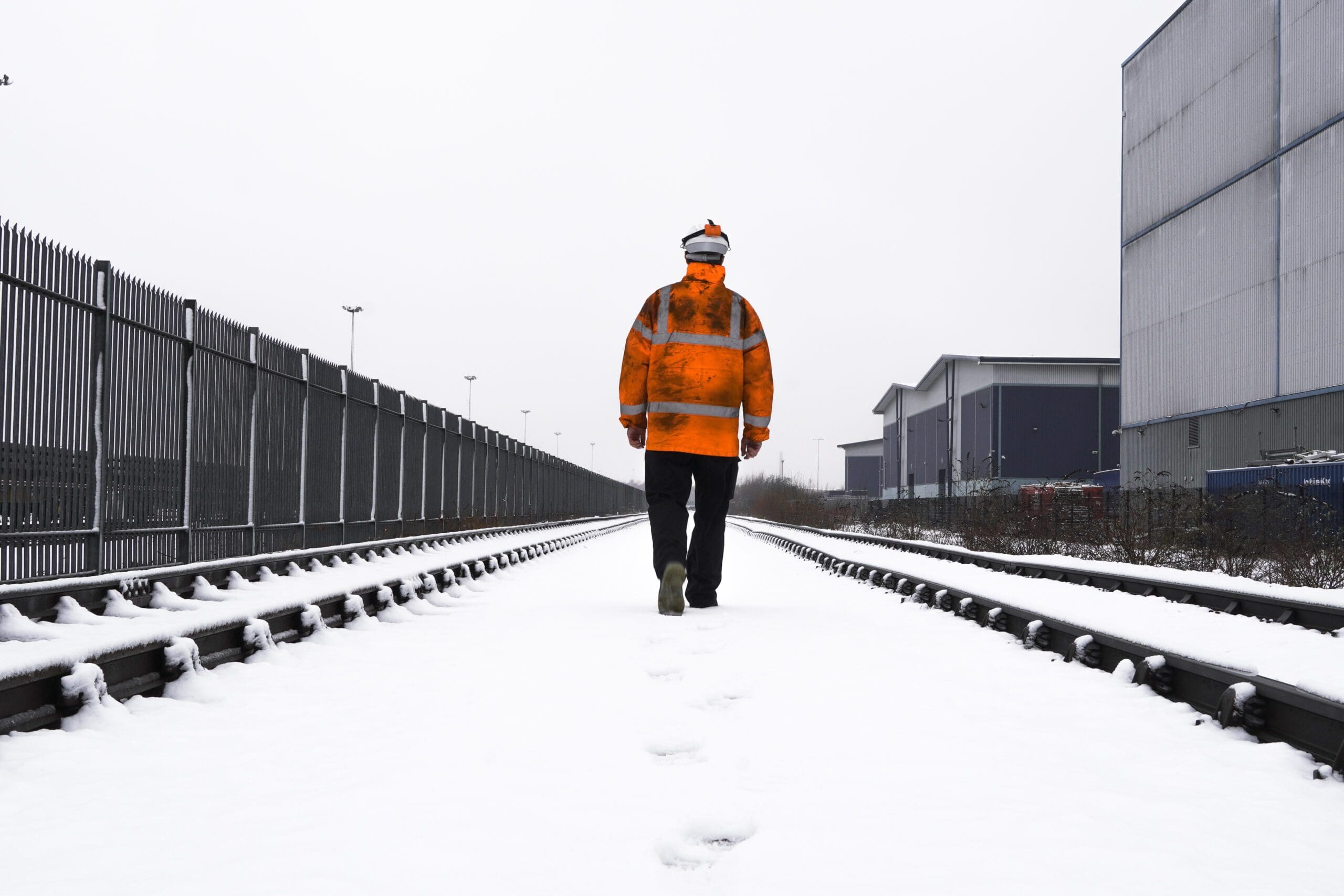
Employees of common carriers engaged in interstate trade can file a FELA suit for injury while working. This includes workers like conductors, engineers, brakemen, firemen, track maintenance of way workers, signal maintainers, yardmasters electricians, machinists and electricians bridge and building workers, and carpenters.
In contrast to workers' compensation, an individual who is a victim of a FELA claim must show that the railroad company's negligence caused the injury. However the burden of proof is less than what is required in a standard negligence case because FELA applies the "featherweight" standard of proof. This is the reason that a worker should engage an experienced attorney as soon as is possible after suffering an injury. Evidence and witnesses can fade over time.
Federal Laws
Railroads are required to take reasonable care to avoid injury to people on streets and roads traversed by trains. This includes the duty to mark rail crossings in a proper manner and to give adequate warning when a train is coming towards a street or a road. The train crew must sound a horn or ring the bell at least a quarter-mile before crossing an avenue, street, or highway. They should continue to blast the bell or ring the horn until the roadway is cleared of the approaching train.
Railroad workers (past or present) who develop cancer, or any other chronic illness caused by exposure to carcinogenic substances, like asbestos and benzene, or chemical solvents, have the right to sue under FELA. Unlike workers' compensation claims that are based on a limit, there are no limits to FELA damages.
In a lawsuit filed by 18 employees against New York & Atlantic, the company is accused of discriminating against its employees and paying them less than the minimum wage, and keeping them away from federal inspections. The plaintiffs claim that their supervisors advised them to hide from inspectors when they arrived.
Class Action
A class action is when a group of injured persons file one lawsuit on behalf themselves and others similar to them. For example, a class action could be filed in connection with a train derailment that causes injuries to many workers and residents of the region.
In these types of situations, the lawyers representing the injured workers often conduct extensive discovery. This includes written and in-person examination under oath from the lawyers representing each of the parties. They may also hire experts to testify in court about your injuries and the impact they have had on your life.
The lawyers will make sure that you receive compensation for all of your losses, such as loss of income physical pain, medical expenses and mental stress. This could include damages for loss of enjoyment, which is crucial if your injuries have permanently impaired your ability to work and engage in hobbies you enjoy.
The lawsuit demands punitive damages as well as medical monitoring for the plaintiffs, who claim that Norfolk Southern and local government officials provided false assurances over water quality and air pollution following the accident on February 3. The lawsuit also requests that the court block the disposal of further waste at the site and to stop it from polluting Ohio water.